Two carousels can have the same capacity and the same price, yet suit completely different parks. A vintage style carousel appeals to nostalgia, atmosphere, and photography; a cartoon-themed carousel appeals to young children and brightly coloured brand worlds. Choosing between them is an investment decision, not a matter of taste. This guide explains when a vintage style carousel investment delivers better returns than a modern cartoon-themed ride.
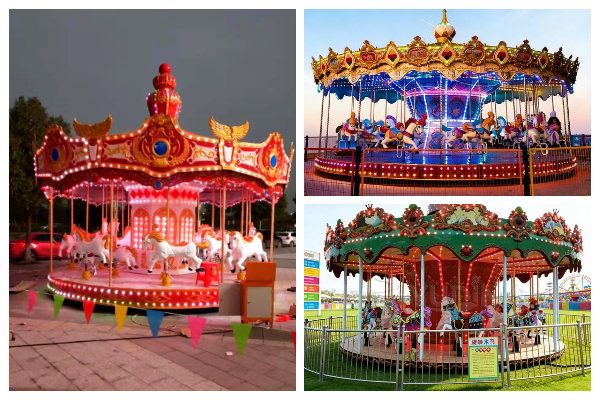
Know Your Audience and Peak Age Groups
Start with who actually buys tickets at your park. If most visitors are families with children under eight, a cartoon-themed carousel with characters and bright colours will be instantly recognisable and popular. If your audience spans teenagers, adults, grandparents, and couples, a vintage carousel serves everyone at once and becomes a shared family experience rather than a children-only ride. Many urban parks and tourism destinations draw a mixed audience, which is where vintage styling has a clear advantage.
Brand and Theme Fit
A carousel should reinforce the story of the zone it occupies. Vintage carousels with gold, cream, and deep red detail suit heritage streets, European themed areas, waterfront promenades, and romantic evening settings. Cartoon carousels fit children’s zones, IP-themed lands, and family entertainment centres where characters drive the design language. In a direct comparison of vintage carousel versus cartoon carousel, the deciding factor is usually which option makes the surrounding area look more coherent.
Ticket Pricing and Photo Value
Vintage carousels photograph beautifully at night and often support premium pricing for evening events, weddings, and photo packages. Their lighting and detail attract adult riders who might never queue for a cartoon ride. Cartoon carousels generate strong demand among young families and work well with merchandise and character meet-and-greet programmes. If your park earns significant revenue from events and photography, vintage styling usually returns more per square meter.
Maintenance and Repainting Costs
Customisation affects upkeep. Vintage carousels rely on painted detail and gold accents, which need careful maintenance but are straightforward to touch up. Cartoon figures often use larger moulded panels that are easy to clean but can look dated if a character licence changes or trends move on. Ask each supplier for the recommended repainting cycle, spare-parts availability, and the cost of replacing individual figures, then compare the five-year upkeep figure rather than only the purchase price.
Resale Value and Longevity
Vintage designs age slowly because they reference a timeless style, while cartoon themes date faster as characters lose popularity. That difference matters if you eventually sell or relocate the ride. Classic carousels also match a wider range of future refurbishment options, including seasonal decoration packages, which extends their commercial life without major modification. Longevity is a genuine financial advantage in the amusement industry.
Mixed Fleets: A Practical Middle Ground
Parks with enough space often operate both: a vintage carousel as the atmospheric centrepiece, and a smaller cartoon ride for young children. This combination covers both audiences and lets you test which format generates stronger revenue before investing further. If only one ride is possible, choose based on audience profile and zone theme rather than on short-term trends.
A vintage carousel is the stronger investment when your audience is mixed, your zone tells a period story, and your revenue depends on atmosphere, events, and photography. Work with an experienced Dinis carousel ride factory that offers both classic and themed designs, and review the craftsmanship behind them through the carousel production process. Classic designs also draw on a deep carousel heritage that continues to shape modern rides. To compare styles, capacities, and budgets, visit https://www.topridesale.com/antique-carousel-for-sale/ and request a tailored proposal.
Leave a Reply