A flying saucer ride delivers a striking combination of rotation, swing, and lift in a relatively compact footprint, which makes it attractive to many kinds of venues. It is not the right fit for every park, however; audience, site conditions, and operating patterns all influence the decision. This article explains which types of park benefit most from a flying saucer ride for amusement parks.
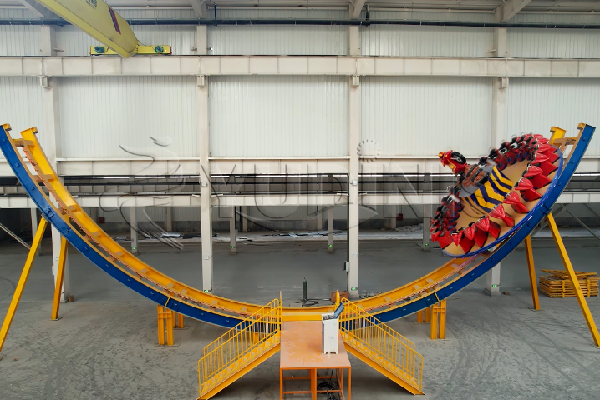
Amusement Parks with Thrill Zones
Parks that already operate thrill attractions are the natural home for a flying saucer. Its motion complements pendulum rides, drop towers, and coasters, and its capacity supports continuous loading during busy afternoons. Because the ride occupies a moderate footprint, it can be inserted into an existing thrill zone during an expansion phase without redesigning the whole area. Positioning it beside other high-energy attractions groups the queues and concentrates excitement in one part of the park.
Family Entertainment Centers and Indoor Parks
Large family entertainment centers with high ceilings can use a smaller flying saucer model as an anchor attraction. It appeals to teenagers and adults rather than only children, which helps the centre attract a wider age range and increases the average length of visit. Indoor installation requires careful attention to ceiling clearance, ventilation, and structural loads, so the manufacturer’s dynamic envelope must be checked against the building before the order is placed.
Carnivals, Fairs, and Traveling Shows
For carnivals and fairs, the flying saucer combines strong visual impact with transportable design. The ride attracts crowds from a distance, and its operating cycle suits short, intense sessions that generate high revenue per hour. Where the operator moves between sites, choosing a model with simple foundation requirements and quick assembly reduces the working cost of the flying saucer ride park selection process.
Resorts and Tourist Attractions
Resorts and tourist destinations that want an evening attraction often find the flying saucer valuable because of its lighting potential. Guests who have finished dinner are looking for something energetic and visible, and the ride’s LED-lit structures perform well after dark. A related high-capacity attraction such as a swing tower attraction can be installed nearby to create a small cluster of evening rides.
Site, Power, and Operating Requirements
Before committing, confirm the foundation design, power supply, safety clearance, and surrounding surface. The ride needs a firm base with anchors set precisely to the manufacturer’s drawing, a dedicated electrical supply, and a fenced safety zone that keeps spectators clear of the moving envelope. Where the park operates in a hot or coastal climate, check the coating specification and drainage around the base.
Assessing Return on Investment
Flying saucer rides generally cost less than major coasters while offering a comparable thrill, which makes them attractive for parks expanding their ride mix. Revenue depends on throughput, ticket pricing, and how well the ride fits the park’s audience. A venue with strong teenage and family traffic and a good central location will recover the investment faster than one that relies on young children alone.
The flying saucer is best suited to amusement parks with thrill zones, large family entertainment centres, carnivals, and resorts that need a visible evening attraction. Work with an experienced Top Ride Sale amusement equipment supplier that provides site requirements and installation support, and review the general design of an amusement park to see how thrill rides are integrated into circulation and zoning. To compare models and receive a tailored proposal, visit https://www.topridesale.com/flying-saucer-ride/.
Leave a Reply